

Metal Payment Cards:
A Strategic Differentiator for Financial Institutions
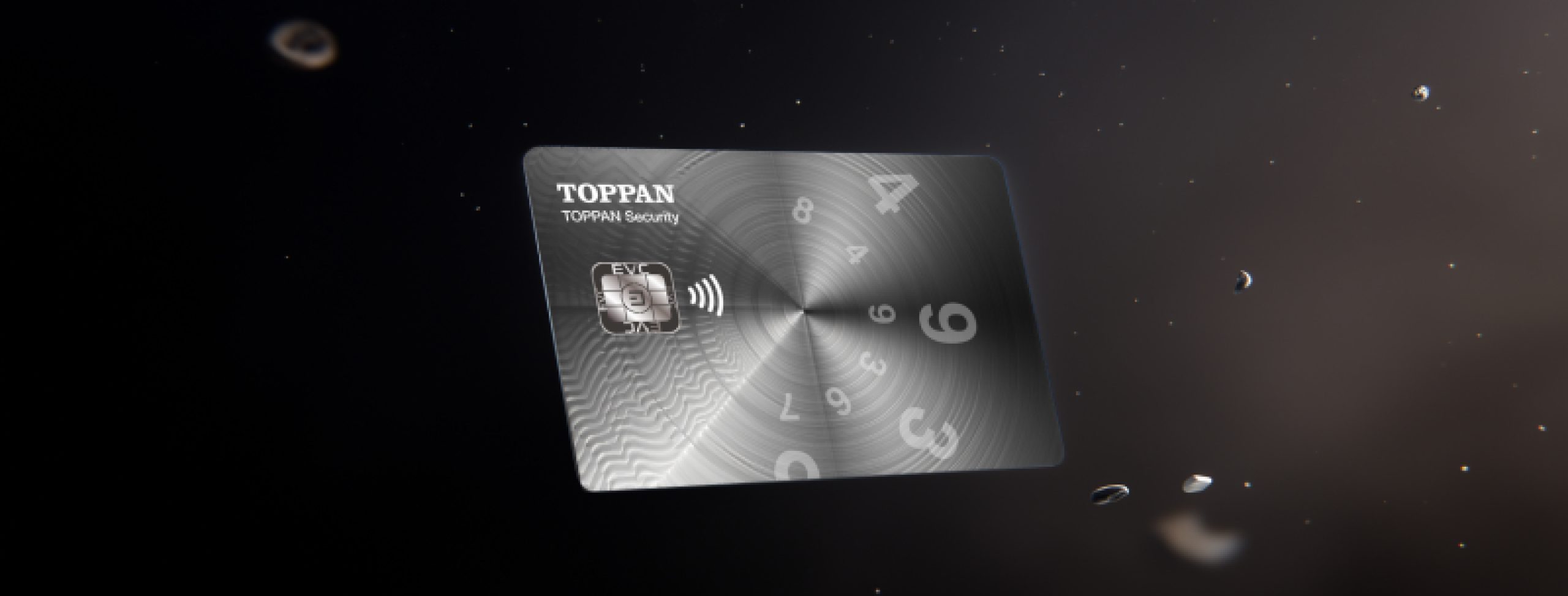
With more than 26 billion payment cards in circulation globally, a figure expected to exceed 31 billion by 2029 according to the Nilson Report, payment cards remain the dominant method of payment worldwide. In such a competitive landscape, banks and fintechs face immense pressure to attract new customers and retain existing ones. Providing a premium physical card gives financial institutions a tangible advantage, strengthening brand perception and customer loyalty. Metal cards are a key enabler of this, offering a distinct sensory and status-driven experience.
Rise of Metal Cards

Source: ABI Research
According to ABI Research, the number of metal payment cards issued annually is expected to rise from 36.1 million in 2022 to 85.1 million by 2028, reflecting rapid adoption and strong consumer demand.
Vincent Mouret, Head of Payment at TOPPAN Security says: “The largest metal card volumes in the world come from financial institutions having no more branches: American Express, Revolut, N26, Nubank, Cashcard Square, Trade Republic. Their banking cards have become a tangible extension of their brand identity, making innovative and sophisticated card designs essential. It not only strengthens brand recognition but also allows financial institutions to increase their market share and open new flows of revenue, as cardholders frequently choose to pay a fee for an exclusive metal card.”

Customers who receive a metal card often feel a greater sense of value and belonging, positively impacting their perception of the issuing institution. This elevated perception translates into measurable results, with metal cardholders typically demonstrating higher usage, stronger loyalty, and greater lifetime value.
Metal Cards as a Revenue Engine
Metal cards deliver a clear commercial advantage known as the “top of wallet” effect. Consumers are more likely to use a metal card over others, resulting in higher transaction volumes and greater revenue for the issuers. Research consistently shows that metal card holders use their cards more frequently than standard PVC ones. Ten years ago, a famous financial institution migrated its Platinum portfolio from standard PVC cards to metal cards. In every country where the migration took place, the institution recorded a double-digit increase in spending per card.
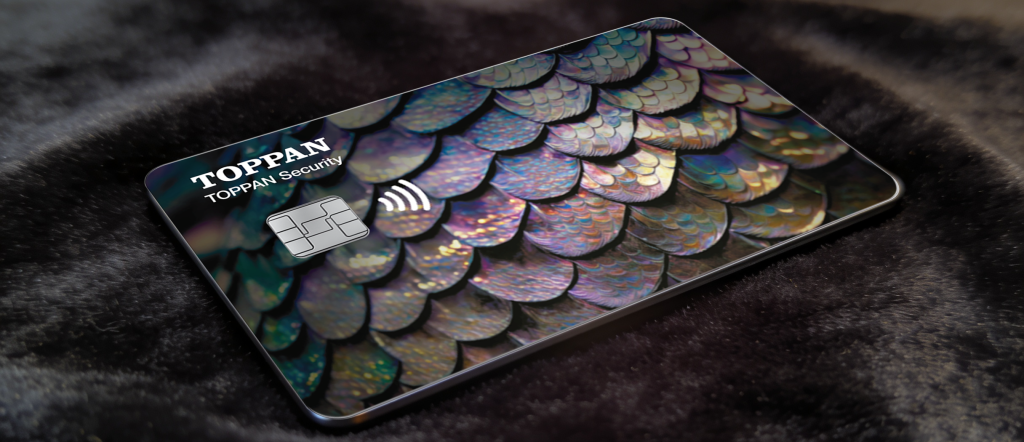
Metal cards have also become a core element of the paid subscription plans, giving customers access to premium benefits while creating recurring revenue for the financial institution. A successful example is the global fintech Revolut, recently valued at USD 75 billion. Revolut’s success is driven by multiple factors. With a presence in 30 countries, they are increasingly positioning themselves as the only truly global bank. They offer one of the most user-friendly and advanced banking apps on the market, simplifying and enhancing the everyday banking experience. But an important component of their success is the ability to offer all customers access to metal card options. This generates a new revenue stream for Revolut, even in countries like the United Kingdom, where banking cards have traditionally been free of charge.
Metal Cards and the Aspirations of a New Generation
Younger generations increasingly view financial products as lifestyle accessories rather than purely transactional tools. A recent study by Ernst & Young found that Gen Z places a significantly higher value on personalized, experience-driven financial products and is more likely to choose brands that reflect their identity and values. Social media also plays a major role, with premium-looking cards often showcased online, reinforcing a sense of status and distinction among peers. This makes metal cards a natural fit for image-conscious digital natives.
A notable example is Curve, the all-in-one smart card and app platform that has expanded quickly since its launch in 2015, driven by its innovative features and strong appeal among digital-first consumers. Curve offers a premium Metal tier, providing users with enhanced travel insurance, fee-free foreign spending, increased cashback options, and the sleek stainless steel Curve Metal card. This appeals to younger and tech-savvy customers seeking a blend of style, convenience, and premium experience.
Another striking example comes from France, where Société Générale, one of the country’s major banks, partnered with the Japanese manga Naruto, a long-running series beloved by millions worldwide, to offer a limited-edition Metal card. Despite an associated fee, all the cards sold out within 24 hours, demonstrating how a unique design and cultural relevance can transform a financial product into a coveted lifestyle item.

Broader Metal Card Options Open New Market Segments
Another factor accelerating adoption is the expanding variety of card types and customizable designs. Issuers can now choose from various types: encased options, where a metal layer is sandwiched between PVC outer layers; hybrid combinations, combining a metal front with a PVC back; and full metal cards.
Encased

Hybrid

Full


Metal Cards: Turning Payment Cards into a Powerful Tool
As competition intensifies across traditional banks and fintechs, metal payment cards have become a strategic asset rather than just a premium novelty. They elevate the institution’s brand, enhancing its prestige and creating a recognizable symbol of quality and trust. They make cardholders feel special every time they take the card out of their wallet, reinforcing emotional connection and customer loyalty. And importantly, they unlock new revenue opportunities through premium tiers, paid upgrades, and high-engagement usage.
For forward-looking financial institutions, metal cards are no longer a design preference; they are a business decision. They strengthen the brand, delight the customer, and generate recurring revenue. Metal cards provide a tangible competitive edge that can be seen, felt, and valued every day.
About TOPPAN Security
TOPPAN Security is a global leader in systems integration and mission-critical identity and payment technologies, providing advanced solutions that enhance security, trust, and efficiency. It serves as the international development arm of the TOPPAN Group, focusing on advancing security solutions across global markets. The company specializes in secure document and card manufacturing, biometric authentication, encryption, and identity verification solutions, supporting governments and businesses in building resilient digital ecosystems.
Through partnerships with governments and businesses worldwide, TOPPAN Security continues to push boundaries, set industry benchmarks, and develop cutting-edge technologies that enhance physical and digital security and transform citizen experiences.
For more information, visit www.toppansecurity.com or contact info@toppansecurity.com.